You have no items in your shopping cart.
RSS

Blog

Smoke Alarms, Heat Alarms and CO Detectors: A Practical Guide to Product Selection and BS 5839 Basics

Choosing the right smoke alarms, heat alarms and CO detectors involves more than just meeting compliance rules. UK fire safety standards keep changing, and installers are under growing pressure when it comes to system design, alarm positioning, interlinking and ongoing maintenance. Expectations are now much higher. Property developers, landlords, facilities managers and electricians all need clear advice they can use on site while staying up to date with current regulations.

A dependable alarm system can save lives, cut down on false alarms and help buildings remain compliant with the latest standards. Government figures show that 92% of households in England had a working smoke alarm in the year ending March 2024. Even so, many fire-related deaths still happen in homes where proper protection is missing (UK Government).

This smoke alarm guide explains the basics of BS 5839, along with advice on selecting the right alarm types and where they should be fitted. It also looks at how modern interlinked systems are changing domestic fire protection. Anyone working on rental housing, commercial refurbishments, HMOs or home improvement projects needs to understand the differences between smoke alarms, heat alarms and CO detectors to specify safer, more reliable systems. During busy projects, many installers also depend on suppliers such as Electricalwholesaler for fast access to compliant fire and security products.

Understanding the Different Alarm Types

Different alarms handle different risks. One of the most common mistakes in home fire protection is putting the wrong detector in the wrong part of the house.

Optical smoke alarms are commonly installed in hallways, landings, bedrooms and living rooms. They work particularly well with slow, smouldering fires linked to furniture or faulty electrical cables. Many homeowners pick them for busy areas because normal cooking fumes are less likely to set them off by mistake. A sensible option.

Heat alarms are better suited to kitchens, garages and utility rooms. Rather than detecting smoke, they respond to quick increases in temperature. This helps cut down on unnecessary alerts caused by steam, cooking smoke or heat coming from appliances.

CO detectors serve a different role. They monitor carbon monoxide produced by boilers, open fires and other fuel-burning appliances around the home. Dangerous stuff. Because carbon monoxide cannot be seen or smelled, these detectors play an important role in household safety.

The figures behind these products help explain why picking the right alarm matters. According to government-backed data, people are around 11 times more likely to die in a house fire if there is no working smoke alarm (Fire Safety Awareness Training).

You are around eight times more likely to die from a fire if you don’t have a working smoke alarm in your home.
 Common domestic alarm applications 
Alarm TypeBest LocationMain Purpose
Optical Smoke AlarmHallways and bedroomsDetects smoke from slow-burning fires
Heat AlarmKitchens and garagesReduces nuisance alarms from cooking
CO DetectorNear boilers and fuel appliancesDetects carbon monoxide leaks

Many modern systems now use interlinked alarms across the property. When one alarm is triggered, every connected unit sounds at the same time. In larger homes, HMOs and rental properties, that arrangement can make a real difference because someone may not hear a single detector going off in another part of the building.

BS 5839 Basics for Domestic and Commercial Work

BS 5839 sets the main UK standards for fire detection and alarm systems. Most installers know the name, but the differences between the various parts are not always clear when moving between domestic and commercial jobs.

BS 5839-1 applies to non-domestic premises such as offices, shops, schools, warehouses and other commercial buildings. BS 5839-6 applies to domestic properties, including houses and flats. The requirements change depending on the setting.

BS 5839-6 divides domestic systems into several categories.

  • LD1 provides the highest level of life protection, with detection in escape routes and every room except bathrooms and toilets.
  • LD2 covers escape routes along with higher-risk areas such as kitchens and utility rooms.
  • LD3 protects escape routes only.

Alarm grades also matter. Grade D1 systems use mains-powered alarms with tamper-proof battery backup, and they are commonly installed in rental properties and newer domestic setups. Grade F systems use battery-only alarms and are generally fitted in lower-risk environments. These are simpler systems with lower protection levels.

The 2025 update to BS 5839-1 introduced stronger guidance on detector selection, documentation and reducing false alarms (Fire Detection Shop). Multisensor alarms now get more attention because they combine different sensing methods, helping improve reliability across different environments.

BS 5839-6 domestic protection categories
CategoryCoverage LevelTypical Use
LD1Whole dwelling except bathroomsHigh-risk homes and larger properties
LD2Escape routes plus high-risk roomsMost modern domestic installations
LD3Escape routes onlyBasic life protection

Installers also need a clear understanding of local regulation differences. Scotland now requires interlinked alarms in many domestic properties, while England has expanded landlord responsibilities for smoke alarms and CO detectors. The rules are still changing.

Documentation is becoming more important too. Designers and installers are now more frequently expected to explain why certain detector types were chosen for specific areas and how those choices match the risks involved.

Placement, Testing and Maintenance Mistakes

Correct positioning matters just as much as picking the right product. Bad placement can delay detection or trigger constant false alarms, which soon becomes frustrating.

Most installers place smoke alarms on ceilings and keep at least 30cm between the unit and nearby walls, vents or light fittings. CO detectors are commonly installed one to three metres from the combustion appliance at around head height.

Installers also regularly deal with issues linked to poor maintenance instead of faulty products. Research from the Fire Industry Association and YouGov found that around 4 million UK adults never test their smoke alarms, and only 22% complete monthly checks (Fire Industry Association).

Common alarm system problems and solutions
Maintenance IssueCommon ResultPrevention
Blocked smoke alarmReduced sensitivityRegular cleaning
Expired backup batteryAlarm failure during power cutsUse sealed 10-year batteries
Wrong detector typeFalse alarmsMatch alarm to room type

False alarms still create major problems in homes and commercial buildings. Standard smoke alarms installed too close to kitchens can go off again and again, leading some occupants to remove the batteries or switch the units off completely. Heat alarms generally work far better in cooking areas and help cut down unnecessary activations.

Older detectors can also create ongoing problems.

All smoke alarms (including hard-wired or those with removable batteries) should be replaced after 10 years, or by the replace by date on the base or earlier if they are found to be defective.
— National Fire Chiefs Council, NFCC

Sealed lithium battery alarms are becoming more common because they help stop battery tampering and reduce maintenance visits. For landlords and facilities teams, they can also make long-term compliance easier to manage.

CO Detectors and Rental Property Compliance

Carbon monoxide protection now plays a much bigger part in UK regulations. In England, landlords must install at least one smoke alarm on every storey used as living accommodation, along with a CO alarm in any room that contains a fixed combustion appliance (UK Government).

Despite tighter rules, reports still indicate that 42% of UK homes do not have a carbon monoxide alarm fitted (elec.training).

Installers have a clear responsibility here, and the growing demand also brings more work across the trade. Boiler replacements, consumer unit upgrades, and full property refurbishments all give electricians a good opportunity to check CO coverage and spot missing protection before issues develop.

Facilities managers face a different challenge during routine inspections. Detector lifespan dates need close attention because older buildings can contain several alarm types with different replacement schedules, making them more difficult to track and maintain.

Many landlords now prefer interlinked systems for rental properties because they improve warning times for occupants. In larger buildings, a detector activated in a basement utility room can quickly alert people sleeping upstairs.

Smarter alarm systems are expected to keep growing through 2026, especially wireless interlinked products that help installers cut installation time and reduce disruption in occupied buildings.

Choosing Products for Real-World Installations

A fire detection setup should fit the building layout, the people living there and the level of maintenance the owner can realistically manage. A small owner-occupied flat may only need a basic LD3 arrangement. Larger homes generally need wider coverage. An HMO or bigger family property may require LD2 or even LD1 protection, especially where escape routes and higher-risk rooms need extra attention.

Multisensor alarms are now far more common because they combine smoke and heat detection in one unit. Updated BS 5839-1 guidance says these alarms can reduce false alarms while still providing reliable detection performance (IPS Fire and Security). They can work well in busy homes.

When installers choose products, they may look at:

  • Power source and expected battery life
  • Interlinking features
  • Testing and maintenance requirements
  • Compliance with BS 5839 categories
  • Whether the alarm suits kitchens, bedrooms or escape routes
  • Access for future replacements

During retrofit projects, wireless interlinked alarms can cut labour time because installers do not need to lift flooring or open walls. This creates much less disruption. Hard-wired systems are still widely used in new-build homes and larger refurbishment projects where wiring access is already part of the plan.

Many property developers now choose sealed 10-year battery alarms. They can reduce tenant maintenance issues over time and support dependable long-term performance.

Frequently Asked Questions

What is the difference between a smoke alarm and a heat alarm?

Smoke alarms detect smoke particles from fires, while heat alarms react to rapid temperature increases. Smoke alarms are best for hallways, bedrooms, and living areas, while heat alarms are more suitable for kitchens and garages.

Are interlinked smoke alarms required in the UK?

Requirements vary depending on location and property type. Interlinked alarms are increasingly expected under BS 5839-6, especially in HMOs, larger dwellings, and Scottish domestic properties.

How often should smoke alarms be tested?

Most manufacturers and fire safety bodies recommend testing alarms monthly. Regular testing helps confirm the sounder, power source, and interlinking functions are still operating correctly.

Where should a carbon monoxide detector be installed?

CO detectors should normally be installed one to three metres from a combustion appliance and positioned at head height. Avoid placing them directly beside windows, vents, or extractor fans.

How long do smoke alarms last?

Most smoke alarms should be replaced after 10 years unless the manufacturer states otherwise. Many installers now prefer sealed 10-year battery alarms to reduce maintenance and battery removal issues.

Where can installers find compliant smoke alarms and CO detectors quickly?

Trade buyers often use suppliers such as Electricalwholesaler for access to fire and security products, wiring accessories, and installation essentials during domestic and commercial projects.

Putting Safer Fire Detection Into Practice

Choosing smoke alarms, heat alarms and CO detectors involves more than simply meeting minimum regulations. A well-planned setup improves safety, cuts down nuisance alarms and helps buildings stay compliant as rules and requirements change over time. Getting the setup right can make a big difference.

Installers with a good understanding of BS 5839 categories can create more reliable systems for homes, HMOs, rental properties and commercial spaces. Detector choice also needs to match the risks in each room because different environments bring different challenges. Optical smoke alarms work well in living areas and escape routes. Heat alarms are generally a better option for kitchens and garages because they are less likely to respond to cooking fumes. CO detectors also remain important, especially near fuel-burning appliances.

Fire detection technology now includes more interlinked and multisensor systems. Wider warning coverage gives occupants more time to react during an emergency, while improved sensor accuracy helps reduce false alarms. Repeated false alerts can frustrate residents and create extra work for maintenance teams looking after the system.

Regular testing, correct positioning and replacing alarms at the right time still matter. Even high-quality systems can fail if batteries are removed, detectors are installed badly, or alarms remain in use beyond their recommended service life.

Electricians, maintenance teams and property managers all need to stay current with BS 5839 updates and changing rental regulations. Keeping informed helps avoid expensive compliance problems and supports safer buildings for the people using them every day.

Article created with SEOZilla
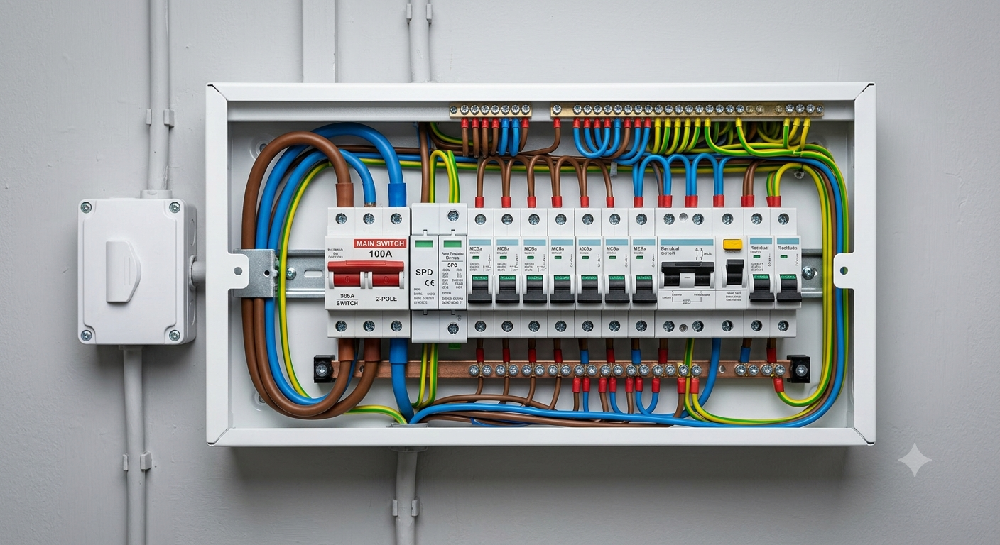
Is Your Home Protected From Power Surges? A Guide to 18th Edition SPDs and Consumer Units

When managing a home or rental property, it is easy to overlook the electrical panel tucked away under the stairs or in the utility room. However, if you haven't updated your consumer unit (fuse box) recently, your household electronics could be operating entirely unprotected against high-voltage spikes.

Under the modern BS 7671 (18th Edition Amendment) wiring regulations, installing a Surge Protection Device (SPD) has transitioned from an optional tech-home luxury to a foundational safety standard. Let's break down exactly what an SPD does, why it is mandatory for modern compliance, and how to select the right equipment to safeguard your property.


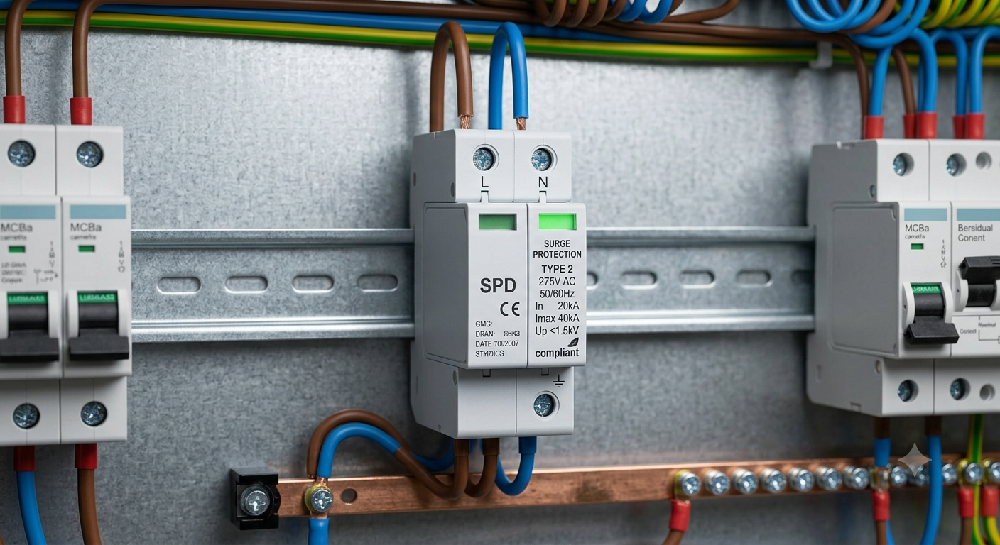
Modern metal consumer unit installed on a wall with compliant wiring


What is a Surge Protection Device (SPD)?

An SPD acts as an instantaneous safety valve for your home’s electrical system. It constantly monitors incoming voltage. The moment it detects a dangerous spike, it safely channels that excess energy away from your internal circuits and harmlessly into the earth.

There are two primary sources of electrical surges:

  • External Spikes: Massive, sudden surges caused by lightning strikes hitting nearby infrastructure or utility grid switching. These can instantly ruin every plugged-in appliance.

  • Internal Spikes: Small, micro-surges caused by everyday appliances cycling on and off—such as refrigerator compressors, vacuum cleaners, or power tools. Over time, these micro-surges slowly degrade the sensitive circuit boards inside your smart TVs, computers, and heating controls.

The 18th Edition Rule: Is an SPD Mandatory?

Yes, in almost all practical scenarios. The latest UK wiring standards state that surge protection must be installed in all new or modified installations unless a complex risk assessment formally proves it isn't required.

Because modern UK homes are packed with high-value electronics, smart devices, and increasingly EV charging infrastructure, the economic loss of a surge is considered too high to ignore. If you are a landlord or are planning an electrical renovation, updating your board is the fastest path to legal compliance.

Close up of a Type 2 Surge Protection Device component on a consumer unit DIN rail

Choosing the Right Hardware for Your Upgrade

If you are retrofitting or building out your system, you have two primary options:

1. Retrofitting an Existing Board

If your current consumer unit is relatively modern and structurally sound, you can often have your electrician install a standalone module directly into your existing panel array. For single-phase household systems, a highly compatible option like the Wylex Single Module Type 2 SPD provides straightforward, compact protection without consuming excessive rail space.

2. Upgrading to a Complete Modern Board

For older properties with outdated fuse boxes, a complete board replacement is usually the safest and most cost-effective path. Upgrading to an all-in-one enclosure—such as the pre-configured FuseBox 15-Way Metal Consumer Unit with T2 SPD—ensures your home immediately meets modern safety regulations. These metal, non-combustible enclosures arrive ready to house individual circuit protection.

To achieve maximum circuit isolation, professional installers pair these surge boards with individual FuseBox RCBOs. Unlike older shared RCD systems, an RCBO ensures that if a single appliance develops a fault, only that specific circuit trips, leaving the rest of your home completely functional and illuminated.

Summary Table: Legacy vs. Modern Circuit Protection

FeatureLegacy Fuse BoxesModern SPD & RCBO Boards
Surge ProtectionNone (Appliances vulnerable)Built-in Type 2 SPD Protection
Fault IsolationTotal floor or house blackoutRCBOs isolate faults to a single circuit
Enclosure SafetyOften plastic or open wood backNon-combustible steel compliance

How to Proceed Safely

Consumer unit upgrades and testing require deep technical knowledge. Always consult a qualified, registered electrician to evaluate your earthing configuration and complete the installation. They will verify your protection settings and issue an Electrical Installation Certificate (EIC) to prove your property meets current UK safety standards.

Why Tradespeople Choose Electrical Wholesaler Lockers for Ultimate Convenience

When you’re a busy tradesperson, time is more than money — it’s the difference between getting ahead and falling behind. Whether you're rewiring a flat, installing a lighting system, or juggling multiple callouts, you know that every wasted minute costs you in efficiency, profit, and peace of mind.

At Electrical Wholesaler, we’ve seen this firsthand. That’s why we’ve made it easier than ever for local electricians, lighting specialists, and contractors to collect supplies — on your schedule, not ours — with our secure, self-service locker collection system.

Let’s explore why more tradespeople are choosing locker pickups and how it’s becoming a must-have service for serious professionals.


No Queues. No Delays. Just Grab and Go.

Remember the days of rushing across town before the wholesaler closed? Or sitting in traffic at 7:30am hoping to beat the morning queue at the trade counter?

Those days are over.

With our locker collection service, you can place an order online or by phone and collect it — whenever it suits you, even outside of store hours. We’ll load your order into one of our secure, weatherproof lockers and send you the access code via text or email. It’s as simple as:

  1. Place your order before closing time
  2. Receive your locker number and code
  3. Pick up your items that evening, early the next morning, or whenever you like


The Real Benefit: Planning Your Work Like a Pro

Here’s where locker collection really shines: job readiness.

If you’ve got an early morning installation, there’s no need to cram in a supply run beforehand. Pick up your gear the night before, prep your van, and head straight to site. That’s one less thing to worry about — and one more way to start the day strong.

We’ve had tradespeople tell us they save over an hour every day by skipping the counter queue. Over a week, that’s five extra hours you can spend on tools, not traffic.


Built Around the Trade — Not Just the Clock

We know your schedule isn’t 9 to 5. Between emergency jobs, site delays, and shifting client expectations, your day can change in minutes. That’s why our locker service is:

  • Accessible 24/7: Perfect for early risers, late finishers, and weekend warriors
  • Fully secure: Lockers are fitted with robust mechanical locks and located on-site, adjacent to our building in North London
  • Live-stock synced: What you order is what we have — no guesswork, no wasted trips

Need something urgently? Call ahead and we can prepare your locker within the hour if the item’s in stock.


Mobile Ordering Meets Trade Convenience

Our locker system pairs perfectly with online and mobile ordering. Order on the go — from the cab of your van, your client’s driveway, or even a lunch break on-site — and your items will be ready to collect that same day.

Click & Collect in one hour
Zero-contact collection
Real-time stock checks
Simple tracking via order reference


What the Trade Is Saying

"The locker pickup saves me from sitting in traffic in the morning. I collect my order at 9pm, have everything packed in the van, and I’m on-site by 7am. Game changer."
Leo G., Domestic Installer, Enfield

"With three sites running, I don’t always know where I’ll be at 8am. The locker option gives me the freedom to plan the day without bottlenecks."
Maya S., Commercial Contractor, North London


Tradesman’s Edge: Every Minute Matters

Choosing our locker service isn’t just about saving time — it’s about working smarter. It lets you:

  • Reduce downtime between jobs
  • Avoid peak-hour stress and queues
  • Improve project scheduling
  • Stay in control of your day, no matter how hectic it gets

When your kit is ready before you even turn the key in the ignition, you start the day one step ahead.


Try Locker Pickup Today

Thousands of local trades are already unlocking the benefits of click-and-collect convenience at Electrical Wholesaler. If you haven’t tried it yet, now’s the time.

Find out more about Locker Collection here. Select collection when placing your orders and experience the zero-hassle, zero-delay way to collect your supplies.

Because in your world, convenience isn’t a luxury — it’s a necessity.


Why Tool Calibration Matters: The Professional Tradesperson’s Guide

Precision is Power in the Trades

In the electrical, heating, and smart ventilation sectors, accuracy is more than a best practice — it’s the backbone of your reputation and safety. Whether you're fault-finding a three-phase circuit, balancing an air extraction system, or torquing fixings to spec, calibrated tools ensure your readings are right — every time.

Yet, many in the trade delay or overlook calibration until it's too late. At ElectricalWholesaler.co.uk, we’re here to change that — by showing how regular calibration protects your work, your clients, and your compliance.

What is Tool Calibration?

Tool calibration is the process of adjusting and verifying the accuracy of measurement instruments against certified reference standards. In simpler terms, it checks that your voltage tester shows 230V when the live wire truly is at 230V — not 218V or 244V.

Think of calibration like an MOT for your van. You might still get from A to B without one — but you’re risking safety, legality, and costly surprises.

Why It Matters: Real-World Consequences of Inaccurate Tools

  1. Electrical Fault Diagnosis

Imagine you're tracing a persistent RCD trip. An uncalibrated multimeter shows acceptable resistance, but misses an intermittent earth leakage. The fault goes unresolved, and your client calls back three days later. That’s a dent in your professional image.

  1. Heating System Setup

You’re commissioning a new underfloor heating circuit paired with smart thermostatic fans. A misreading from an IR thermometer causes you to under-tune the flow, leading to uneven temperatures and poor room performance. Now you’re facing customer complaints and rework.

  1. Construction Torque Settings

You're on a first fix fitting high-load cable trays to a concrete soffit. A slightly inaccurate torque wrench results in under-tightened fixings. Down the line, there’s a failure — and the contractor wants answers. Poor calibration could cost your firm more than just time.

Compliance and Safety: It’s a Legal Requirement

In the UK, the Electricity at Work Regulations 1989 demand that all testing equipment be "suitable" for its intended use — which includes being regularly calibrated. This is particularly vital for tools used in certifying smart heating installations, inspecting distribution boards, or validating energy efficiency in modern homes.

If your tools aren’t calibrated, your certificates could be invalid. That’s a real risk on domestic and commercial contracts.

How ElectricalWholesaler.co.uk Keeps You Compliant

We’re not just here to sell tools — we support your business with compliance-ready solutions and unbeatable service:

Accredited Calibration Partnerships

We’ve teamed with UKAS-accredited partners to offer trade access to lab-standard calibrations for:

  • Multimeters & Clamp Meters
  • PAT & RCD Testers
  • Thermal Imagers for heating diagnostics
  • Anemometers for fan airflow measurement

 In-Store Health Check Service

Not sure if your tester’s accurate? Our trade counter team can inspect it and advise if calibration is due — saving you time and uncertainty.

Tailored Trade Services

Same-day collection, out-of-hours lockers, flexible credit accounts, and free local delivery make it easy to stay compliant without losing work hours.

Case Study: Smart Home Saved by Calibration

One of our registered installers was preparing final checks on a smart heating retrofit in a high-spec London home. His thermal camera — assumed to be working — showed misleading heat signatures. A calibration check revealed a 3-degree offset, enough to misconfigure floor loops. Disaster averted — and thanks to our same-day calibration partner, the install finished on time.

Between Calibrations: Top Tool Tips

  • Protect your gear: Use hard cases and avoid moisture — sensor damage often goes unseen.
  • Stick to OEM accessories: Generic probes or leads can corrupt test results.
  • Monitor tool behaviour: Unusual sounds or erratic readings? Get it inspected fast.

 Bottom Line: Calibrated Tools = Trusted Workmanship

Whether you're wiring a CU, optimising a lighting system, or configuring smart heating — tool accuracy is your professional currency.

Trust ElectricalWholesaler.co.uk to help you stay on point, compliant, and confident — job after job.

 Ready to Check Your Tools?

Visit ElectricalWholesaler.co.uk or pop into our North London branch to get your tools in early Tuesday 13/05/25,  or visit our Calibration Day event on Wednesday 14/05/25 to meet the experts from TIS, chat to our team and find out more. Or drop by our store any time and we’ll help you source, inspect, and calibrate everything you need — from testers to thermometers — for a smarter, safer trade.


The Ultimate Guide to Choosing the Right Cable for Your Project

Cables might not always be the star of an electrical setup, but they’re undoubtedly the backbone. Whether you're working on a small home project or a large commercial installation, selecting the right type of cable is crucial. Here’s everything you need to know.

Types of Cables and Their Uses

  1. Twin & Earth Cable: Ideal for general-purpose wiring, including sockets and lighting circuits.
  2. SWA (Steel Wire Armoured) Cable: Best for underground installations and providing extra protection.
  3. Flexible PVC Cable: Suitable for appliances and where flexibility is key, such as extension cords.

How to Choose the Right Cable

  • Check the Load Capacity: Ensure the cable can handle the electrical load of your setup.
  • Consider the Installation Environment: Indoor or outdoor, underground or overhead—each requires a specific type of cable.
  • Safety First: Use cables that meet safety standards and have proper insulation.

Top Cable Products at Electrical Wholesaler

We stock a variety of high-quality cables to suit different needs, from basic wiring to industrial-strength armoured options.

Find the Right Cable Today

Head to Electrical Wholesaler to explore our range of cables and find the perfect fit for your project.

Prepare Your Home for Winter: Essential Electrical Products to Keep You Comfortable and Energy-Efficient


As the colder months approach, ensuring your home is warm & energy-efficient becomes essential. Rising energy costs mean it’s more important than ever to choose the right products to maintain comfort without overspending. At
Electrical Wholesaler, we offer a wide range of solutions to help you prepare your home and save on energy bills!

Why Winter Prep Matters

Winter puts extra demand on heating and lighting systems. Investing in reliable, energy-efficient electrical products can help you maintain a warm, well-lit home while reducing energy consumption and costs.


Top Product Picks for a Comfortable Winter

Wave goodbye to chilly floors. Our Heatcom Underfloor Heating Mats provide even warmth distribution and are more energy-efficient than traditional radiators. Ideal for bathrooms, kitchens, or entire homes, our systems offer reliable, discrete heating solutions.

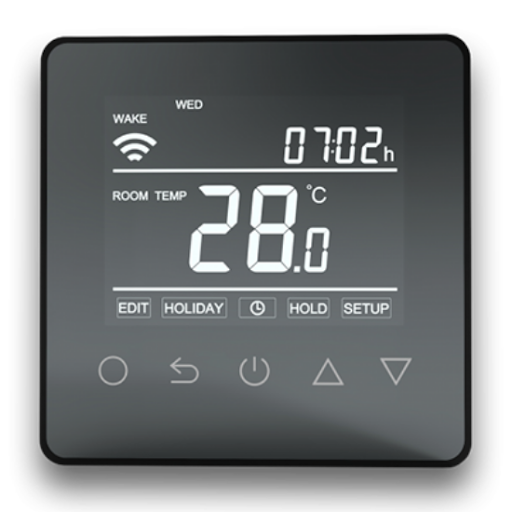
Control & plan your heating!. Smart thermostats adapt to your routine, helping you reduce energy waste and save money while keeping your home comfortable.

Harsh winter conditions can take a toll on external wiring. Our insulated cable covers and weatherproof connectors protect your installations, ensuring long-lasting safety and efficiency.

Keep your indoor air quality high with ventilation fans designed to prevent damp and condensation – common issues during the winter months.

Upgrade to LED lighting for brighter, energy-efficient illumination throughout your home. LEDs use up to 90% less energy than traditional bulbs, making them a smart choice for every room.


Quick Tips for Energy Efficiency

In addition to the right products, small changes can make a big difference:

1.Seal Windows and Doors: Use draft excluders or weatherstripping to prevent heat escaping.

2.Programme Heating Cycles: Set your heating to operate during key hours with our programmable timers.

3.Switch to Energy-Saving Bulbs: Replace old halogen bulbs with LED alternatives for long-term savings.


Why Choose Electrical Wholesaler?

Located in North London, we’ve been serving local electricians, contractors, and homeowners since 1982. Our vast range of over 20,000 products includes everything from heating systems to lighting solutions. With live stock updates, same-day collection, and expert advice, we’re here to help you find the best options for your needs.

Get Winter-Ready Today

Don’t wait for freezing temperatures to strike. Visit Electrical Wholesaler today to explore our extensive range of winter essentials and enjoy exclusive seasonal offers. Prepare your home with confidence and save on energy costs this winter.


Stay Warm This Winter: ElectricalWholesaler’s Guide to Portable Fan Heaters & Convector Heaters


As the temperature drops, keeping your home or workplace warm becomes essential.
Portable heating solutions offer flexibility and efficiency, making them ideal for various settings. At ElectricalWholesaler, your trusted UK supplier, we provide a comprehensive range of electric heaters, including portable fan heaters and convector heaters, to suit your heating needs this winter. Here’s your guide to choosing the right heater to stay warm & efficient during the winter months.


Understanding Portable Electric Heating Options

Portable fan heaters and convector heaters are two popular types of electric heaters, each offering distinct advantages. Understanding their features and benefits can help you make an informed decision.

Portable Fan Heaters

Quick and Efficient Heating
Portable fan heaters use an internal heating element and a fan to circulate warm air into the room. They are excellent for:

  • Instant Heat: Quickly warming up small to medium-sized rooms.
  • Spot Heating: Targeting specific areas or individuals.
  • Portability: Lightweight and easy to move from room to room.
  • Affordable Heating: Often more cost-effective for short-term use.


Ideal Settings

  • Offices: Keep workspaces warm without heating the entire building.
  • Home Use: Perfect for bedrooms or living areas that need occasional heating.
  • Workshops and Garages: Provide warmth in typically unheated spaces.


Features to Consider

  • Adjustable Thermostats: Maintain your desired temperature.
  • Safety Features: Overheat protection and tip-over switches for peace of mind.
  • Variable Speed Fans: Control the airflow and noise levels.
  • Energy Efficiency: Models with eco-modes to save on electricity bills.

👉 Explore our selection of Portable Fan Heaters at ElectricalWholesaler and keep warm wherever you are.


Convector Heaters

Silent and Even Heating

Convector heaters operate by heating the air that passes through them, creating a natural convection current without the use of a fan. Benefits include:

  • Quiet Operation: Ideal for environments where noise is a concern.
  • Even Heat Distribution: Provides consistent warmth throughout the room.
  • Wall-Mountable Options: Save floor space by mounting on walls.
  • Stylish Designs: Modern units that complement your interior décor.


Ideal Settings

  • Homes: Living rooms, bedrooms, and areas where quiet is appreciated.
  • Libraries and Study Rooms: Maintain a peaceful environment.
  • Retail Spaces: Offer comfortable shopping experiences without intrusive noise.


Features to Consider

  • Programmable Timers: Schedule heating periods to save energy.
  • Thermostatic Controls: Automatically regulate room temperature.
  • Slimline Designs: Blend seamlessly with your interior décor.
  • Energy Efficiency: Look for models with high energy ratings to reduce costs.

👉 Discover our range of Convector Heaters designed for efficiency and style.


Choosing the Right Electric Heater for Your Needs

When selecting an electric heater, consider the following:

1.Room Size: Measure the area to determine the heater’s required power output (measured in kilowatts).

2.Portability vs Permanence: Decide if you need a portable solution or a fixed heating option.

3.Energy Efficiency: Opt for heaters with energy-saving features to reduce electricity costs.

4.Safety Features: Ensure the heater includes essential safety mechanisms, especially if used in homes with children or pets.

5.Budget: Consider the upfront cost and long-term running expenses.

👉 Need help choosing? Contact our expert team for personalised advice on the best electric heaters in the UK.


Energy Efficiency Tips

  • Use Thermostats Wisely: Set the thermostat to the lowest comfortable setting to save energy.
  • Insulate Rooms: Prevent heat loss by closing doors and windows, using draught excluders, and insulating curtains.
  • Scheduled Heating: Use timers to heat rooms only when in use, reducing unnecessary energy consumption.
  • Regular Maintenance: Keep heaters clean and dust-free to ensure optimal performance.
  • Choose Energy-Efficient Models: Look for heaters with eco-modes or energy-saving certifications.


Stay Warm with ElectricalWholesaler

At ElectricalWholesaler, we are committed to helping you find the perfect heating solution. Our range includes top-quality portable fan heaters and convector heaters suitable for various environments and needs.


Why Choose Us?

  • Expert Advice: Our knowledgeable team can guide you to the right product.
  • Wide Selection: Choose from a variety of trusted brands and models.
  • Competitive Prices: Get the best value for your investment.
  • Fast UK Delivery: Prompt shipping to get your heater to you when you need it.
  • Customer Support: We’re here to assist you before and after your purchase.

👉 Browse our full range of Heating Solutions to find the perfect fit for your space.


Prepare for Winter Today

Don’t wait until the cold sets in. Explore our collection of portable fan heaters and convector heaters to keep your space warm and comfortable throughout the winter season.

👉 Visit ElectricalWholesaler.co.uk now and make this winter your warmest one yet!


Trust ElectricalWholesaler, your reliable UK supplier, to provide efficient and cost-effective heating solutions this winter. Stay warm, stay comfortable, and let us help you beat the chill!

Winter-Ready Lighting: How to Illuminate Your Outdoors Safely and Efficiently

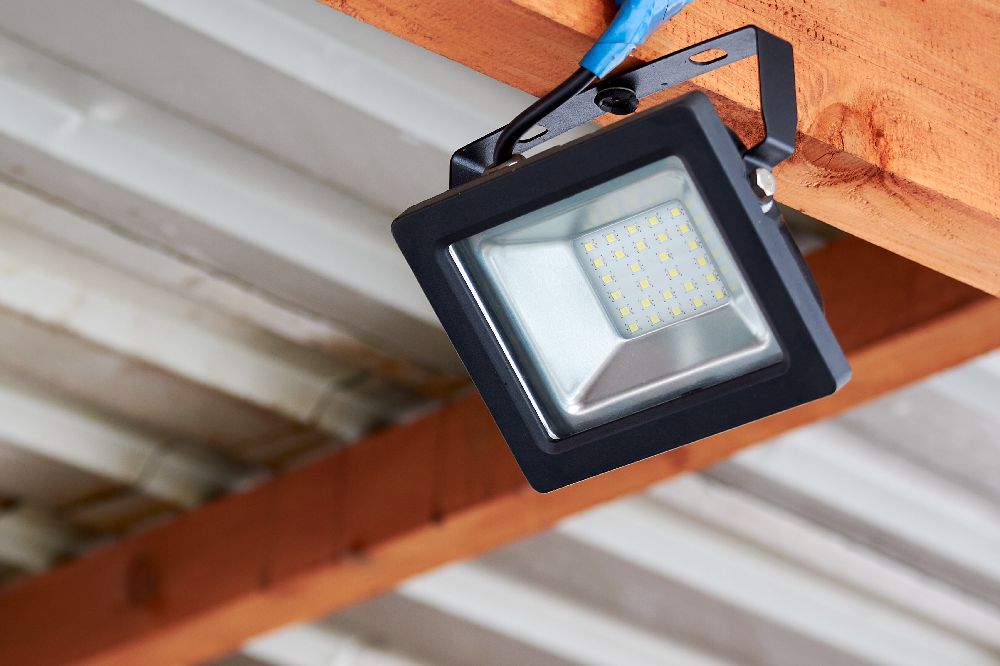
Image of Floodlight

As winter approaches, the nights get longer, and having the right outdoor lighting becomes essential for both safety and aesthetic appeal. Whether you're looking to brighten up your garden, driveway, or business premises, choosing the right lighting can make a significant difference. In this guide, we'll explore the best options for winter-ready lighting and how you can enhance your outdoor space with energy-efficient solutions.

Why Outdoor Lighting Matters

Outdoor lighting isn't just about aesthetics; it's a key part of home and business security. Proper lighting can deter intruders, highlight pathways, and create a welcoming atmosphere. As the days get shorter, ensuring that your outdoor spaces are well-lit is crucial.

Choosing the Right LED Floodlights

LED floodlights are ideal for winter because they provide bright, reliable illumination while consuming less energy than traditional bulbs. For instance, our Evoges LED Floodlight delivers powerful light output and is designed to withstand harsh weather conditions, making it perfect for both residential and commercial use.

Features to Consider:

  • Brightness (Lumens): Choose a light with enough lumens to cover your desired area.
  • Weather Resistance: Look for an IP rating of at least IP65 for outdoor use.
  • Energy Efficiency: LEDs are up to 80% more efficient than traditional lighting options.

Installation Tips for Outdoor Lighting

  • Position lights at key points around your property, such as doorways, pathways, and driveways.
  • Ensure lights are mounted securely and are weatherproof.
  • Consider using motion sensors (like the EvoSense Motion Sensor) for added security and energy savings.

Brighten Your Outdoors Today

Explore our range of LED floodlights and motion sensors to keep your property safe and well-lit this winter. Shop Now